
The Truth About Tool-Free Chain Tensioning Systems
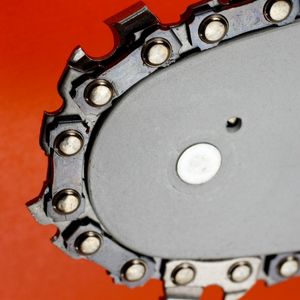
If you have recently bought a mini chainsaw, you may have noticed that some models advertise a tool-free chain tensioning system. Manufacturers often present this feature as a major advantage, promising faster adjustments and easier maintenance.
But do tool-free chain tensioners actually work, or are they simply a marketing gimmick?
The short answer is that yes, they generally work well for most homeowners and light users. However, they are not perfect, and understanding their strengths and limitations can help you decide whether they are right for your needs.
What Is a Tool-Free Chain Tensioner?
On a traditional chainsaw, adjusting chain tension usually requires a screwdriver or combination wrench. You loosen the side cover nuts, turn a tensioning screw, and then tighten everything back up.
A tool-free system replaces these tools with a hand-operated knob or dial. This allows you to:
– Loosen the guide bar cover
– Adjust chain tension
– Secure the cover again
All without reaching for a separate tool.
For many new chainsaw owners, this makes maintenance feel much less intimidating.
Why Chain Tension Matters
Before discussing the tensioning system itself, it is important to understand why chain tension matters.
A chain that is too loose can:
– Jump off the guide bar
– Wear components prematurely
– Cut inefficiently
– Create safety concerns
A chain that is too tight can:
– Increase friction
– Reduce battery life
– Cause unnecessary wear on the chain and bar
– Make cutting harder
Because chains naturally stretch during use, occasional tension adjustments are a normal part of chainsaw ownership.
This is where tool-free systems can offer a real advantage.
The Biggest Benefit: Convenience
The main reason tool-free tensioners have become popular is simple convenience.
Many homeowners use their mini chainsaw only occasionally for:
– Pruning branches
– Cutting small firewood pieces
– Trimming shrubs
– Storm cleanup
These users often do not want to carry tools every time they need to make a quick adjustment.
With a tool-free system, checking and correcting chain tension typically takes less than a minute.
Because adjustments are easier, many users actually check chain tension more often, which can improve both safety and cutting performance.
Do They Hold Tension Well?
One common concern is whether tool-free systems hold tension as securely as traditional systems.
In most modern mini chainsaws, the answer is yes.
When properly tightened, a quality tool-free tensioner should keep the chain adequately tensioned during normal homeowner use.
However, there can be differences between brands and build quality.
Higher-quality systems generally:
– Lock securely
– Resist vibration well
– Maintain consistent tension
Cheaper systems may require more frequent adjustments, particularly after extended cutting sessions.
For light-duty work, though, most users will notice little difference.
Where Tool-Free Systems Can Fall Short
Although they are convenient, tool-free tensioners are not perfect.
More Moving Parts
Tool-free mechanisms often contain additional components such as gears, knobs, and locking systems.
More parts can potentially mean:
– Increased wear over time
– Greater complexity
– More opportunities for damage
A traditional tensioning screw is mechanically simpler and may last longer under heavy use
Less Ideal for Professional Use
Professional arborists and forestry workers often prefer conventional tensioning systems This is because they typically work for long periods, make frequent adjustments, and need maximum durability.
For these users, simplicity and robustness are often more important than convenience.
However, most mini chainsaw owners do not have to use their saws for prolonged periods and under such demanding conditions.
Plastic Components
Many tool-free systems incorporate plastic parts.
While modern plastics can be surprisingly durable, they are generally more vulnerable to damage than metal components if handled roughly or overtightened.
Careful operation helps prevent unnecessary wear.
Are They Good for Beginners?
For first-time chainsaw owners, tool-free tensioners can be extremely useful.
One of the biggest challenges for beginners is confidence when performing maintenance.
A simple adjustment knob can make the process feel less complicated and encourage users to learn basic chainsaw care.
This can lead to:
– Better chain maintenance
– Improved cutting performance
– Increased safety
– Greater confidence using the saw
Anything that encourages proper maintenance is usually a positive feature.
Tips for Using a Tool-Free Chain Tensioner
To get the best results:
Check Tension Before Each Use
Even if the chain felt correct last time, always perform a quick check before starting work.
Let a Hot Chain Cool
Chains expand when they heat up. If you adjust tension immediately after heavy cutting, you may overtighten the chain once it cools.
Avoid Overtightening
Many beginners assume tighter is better. In reality, excessive tension can increase wear and reduce performance.
Follow the Manufacturer’s Instructions
Different systems work slightly differently. A quick review of the owner’s manual can help you achieve the correct tension
So, Do Tool-Free Chain Tensioners Actually Work?
For the average homeowner, the answer is a clear yes.
Tool-free chain tensioners provide a convenient and user-friendly way to maintain proper chain tension without carrying extra tools. They are particularly well suited to mini chainsaws used for pruning, garden maintenance, and occasional property care.
While traditional chain tensioning systems may still offer advantages in heavy-duty professional environments, most homeowners will appreciate the simplicity and convenience of a quality tool-free design.
In fact, because they make adjustments so easy, tool-free tensioners often encourage better maintenance habits which can be just as important as the tensioning system itself.