Make Clearing Up Fast, Safe & Easy
When a storm hits, fallen branches (and sometimes even trees) can quickly turn your yard into a mess.
That’s when you find out that having the best suited chainsaw for the job can make all the difference between hours of hard labor and a quick, controlled cleanup.
Unfortunately that’s precisely the time when we find out that our chainsaw just doesn’t fit the job requirements!
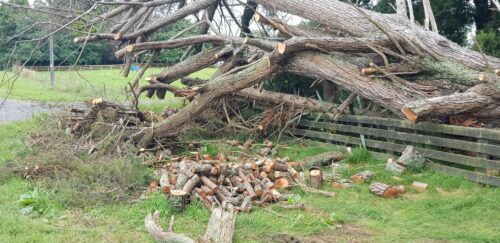
Time to get out your chainsaw!
That’s why, whether you’re a homeowner managing your own property or helping neighbors clear debris, having the right type and size of chainsaw to work with can make all the difference.
The difference between working efficiently and effectively vs being inefficient and getting frustrated.
Let’s explore the top chainsaw types for cleaning up the mess storms often leave behind, and help you choose the perfect one for your property size and skill level.
Cordless Electric Chainsaws: Convenient, Clean, and Ready to Go
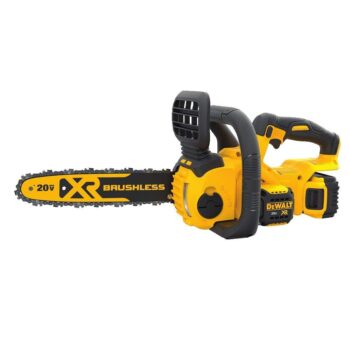
For most homeowners, a cordless electric chainsaw is the perfect choice for post-storm cleanup. These saws are lightweight, quiet, and easy to start. That means no gas, no fumes, no starting issues. Bonus!
Modern battery-powered chainsaws deliver impressive cutting power thanks to brushless motors and high-capacity lithium-ion batteries.
They also come in a variety of sizes with the 12 inch bar models probably being more than adequate for most homeowners. But you can get 14 inch and 16 inch battery driven chainsaws as well.
They’re ideal for cutting small to medium-sized branches, pruning damaged limbs, and even handling the occasional fallen tree with trunks or branches up to 10–12 inches thick.
Advantages:
Instantly starts with a button press — no mixing fuel or fiddling with carburetors.
Low noise and vibration levels
Easy to carry and store
Perfect for homeowners with small to medium yards
Top Tip: Look for brands with interchangeable batteries so you can swap out and keep cutting during longer cleanup jobs. Examples include DeWalt and Greenworks.
Gas Chainsaws: Heavy Duty Power for Large Debris
If your property has large trees with thick trunks and branches to cut through, a gas-powered chainsaw may be the best option for serious storm cleanups.
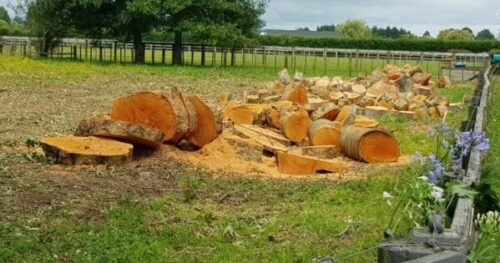
A Big Mess Needs a Big Chainsaw
These saws offer more torque and endurance than electric models, making them ideal for clearing heavy debris, thick logs, or multiple fallen trees.
Advantages:
Superior power for dense wood and large trunks
Long run times with no battery recharging needed
Proven durability for tough cleanup conditions
A 16-inch or 18-inch gas chainsaw is usually enough for most residential storm cleanup tasks. Remember that gas chainsaws are heavier and louder, so always use proper chainsaw safety gear such as gloves, chaps, helmet, and ear protection.
Recommended for:
Larger properties (1 acre or more)
Cutting thick, storm-damaged trees
Extended cleanup after major storms
Mini Chainsaws: Quick, Lightweight, and Ideal for Small Jobs
For light cleanup jobs like trimming smaller fallen branches or cutting back bushes, a 4-inch or 6-inch mini chainsaw can be incredibly handy.
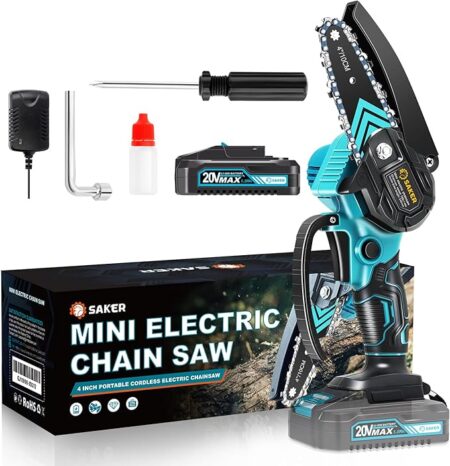
These compact tools are battery-powered, lightweight, and easy to control. They are perfect for homeowners who want something simple for quick yard fixes.
Advantages:
Extremely lightweight and portable
Easy to use, even for beginners
Great for pruning, shaping, or cutting smaller debris
A mini chainsaw is also a smart choice for an emergency kit or to take camping , as it’s easy to store and ready to go when needed.
Safety and Efficiency Tips for Storm Cleanup
No matter what type of chainsaw you choose, always follow these storm cleanup safety tips:
Inspect branches before cutting and keep an eye out for tension or hang-ups that could snap back.
Avoid cutting near power lines or wet areas.
Keep your chain sharp and tensioned properly to prevent kickback.
Work slowly and plan each cut as storm cleanups can be tricky.
Use chainsaw chaps, gloves, and eye protection at all times.
For larger or dangerous jobs, such as trees leaning on structures or tangled limbs, it’s best to call a professional arborist.
Final Thoughts
The best chainsaw for a storm cleanup depends on your property size, chainsaw experience, and how often you need it.
For quick household cleanups: choose a mini cordless chainsaw.
To do general yard work: go with a brushless battery-powered chainsaw.
For heavy-duty cutting: invest in a gas chainsaw for long-lasting power.
Having the right chainsaw ready before the next storm hits will save you time, effort, and frustration and keep your property safe and tidy all year long.
And if you have gone to all that trouble to chop up the wood, you might as well keep it dry and well packed and ready for use! Or you could use some of the larger trunks to create some planks that you can use for shelves, a bench or table top, and so on.
At Chainsaw Choices, we review the best chainsaws for homeowners, helping you make confident, safe, and informed decisions.