
If, like me, you’ve recently been shopping for a new cordless chainsaw or mini chainsaw, you’ve probably noticed that a “brushless motor” is often used as a selling point.
And for good reason.
But unfortunately, it (still) usually comes with a higher price tag attached, although the gap is coming down as the technology becomes more common in these tools.
But if you’re a casual homeowner, is a brushless chainsaw really worth paying extra for?
The short answer is mostly yes, but not always! 🙂
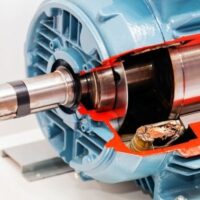
What Is a Brushless Motor?
Traditional (brushed) electric motors use carbon brushes to transfer power.
Over time, those brushes wear down, create friction, and generate more heat when they are running.
A brushless motor describes exactly what it is. An electric motor without the brushes! entirely, which has major advantages in the world of electrical motors.
For chainsaws, this difference affects efficiency, heat generated, runtime, and longevity.
The Real Benefits of Brushless Motors (For Homeowners)
1. Better Battery Runtime
Brushless motors use power more efficiently.
For cordless chainsaws, this often means:
• longer cutting time per charge
• less power wasted as heat
If you only use your chainsaw occasionally, this may not seem an important consideration. However, it can make the difference between finishing a job using one battery vs having to stop and recharge or replace the battery before the job is finished.
2. More Consistent Power Under Load
Brushless chainsaws tend to maintain torque better when cutting thicker or harder wood.
Casual users often stall saws by pushing too hard and brushless motors are more forgiving in these situations.
3. Less Heat = Less Wear
Heat is one of the biggest enemies of electric motors as the heat inevitably leads to degradation and operational issues.
However, due to the vastly reduced friction (no brushes remember), brushless motors run cooler.
This has many benefits:
• components last longer
• overheating shutdowns are less common
• long-term reliability improves
All these factors result in improved longevity of the whole tool which is something many homeowners will appreciate if they have bought the saw for long term use.
4. Lower Maintenance
With no brushes to wear out, there’s simply less to go wrong internally.
For homeowners who don’t want to think about maintenance beyond chain oil and sharpening, this is a genuine advantage.
When a Brushless Chainsaw May Not Be Worth It
Despite the obvious benefits of brushless motors, they aren’t automatically the best choice for everyone.
Consider the following factors:
1. Higher Upfront Cost
Brushless chainsaws can cost up to 20–40% more than comparable brushed models.
This could be a significant consideration if you:
• only cut small branches
• use the saw a few times a year
• already own spare batteries
In that case the reduced performance and longevity considerations may not justify the price difference.
2. Light Tasks Don’t Need Advanced Motors
For simple pruning, trimming, or garden cleanup, a good brushed mini chainsaw can still:
• cut cleanly and efficiently
• last for years
In these cases, bar length, chain quality, and ergonomics often matter more than motor type.
Brushless vs Brushed: What Matters More?
For casual and/or occasional users, brushless motors are most worth it when:
• you rely on battery power
• you cut medium-thickness wood regularly
• you want longer runtime and tool lifespan
They matter less when:
• the cutting jobs you undertake are very light
• the saw is used infrequently
• budget is a top priority
Final Verdict
Despite the financial aspect, I believe that a chainsaw with a brushless motor is always a better investment for a homeowner.
However, do remember that a brushless motor won’t turn an undersized chainsaw into a powerhouse saw that can do everything and anything!
But when paired with:
• the right bar length
• a quality chain
• a decent battery system
an brushless motor will delivers noticeable benefits in comfort, runtime, and longevity.
For many homeowners, brushless is a nice to have but not always a necessity,
Understanding that distinction should shape your decision making when buying your next battery powered mini saw.
________________________________________